Beware the Building Inspector Using a Trotec T660
- Ryan Pellett
- May 8
- 4 min read

If you’ve bought or sold property in Auckland recently, there’s a good chance you’ve seen a building inspector walking around with a Trotec T660 Moisture Meter. And to be clear from the start: it’s actually a very good tool. In the right hands, it can help identify areas that may require further investigation and help inspectors build a broader understanding of what’s happening inside a building envelope.

The problem isn’t the tool. The problem is that I keep seeing inspectors using it in ways that appear to go directly against the manufacturer’s own guidance. And that matters, because buyers can make enormous decisions based on those readings.
1. I keep seeing the same thing
Over and over again, I see inspectors:
taking readings hard into corners
against skirting boards
beside window frames
beside door jambs
and tight into wall junctions
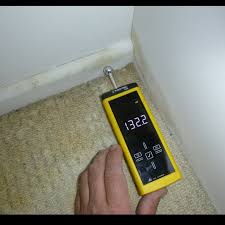

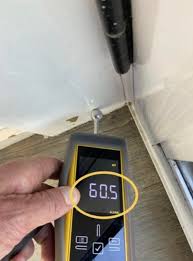




Sometimes on plaster homes. Sometimes on weatherboard homes. Sometimes on completely dry homes. And then the readings spike. The buyer panics. The deal becomes stressful. And suddenly everyone starts talking about moisture problems.
But here’s the issue, according to the manufacturer’s own documentation, those are often exactly the places where the tool should not be used for reliable comparative readings.
2. The manual is actually pretty straightforward
This is the part that surprises me. The manual isn’t long. It’s not overly technical. And the clearance guidance is reasonably clear. Particularly around:
corners
edges
window and door surrounds
adjoining materials
and wall junctions
Yet these are often the exact places inspectors continue testing first.

3. So I contacted Trotec head office directly
At a certain point, I genuinely wanted clarity for myself. Because I kept seeing the same testing methods repeated across different inspection companies on different houses. So I contacted Trotec directly and asked for their official guidance around using the T660 near:
corners
edges
door frames
window frames
and adjoining materials
Their response was extremely clear. Not only did they confirm the clearance recommendations in the manual, they doubled down on them. This was part of their official response:
“The guidance to maintain a minimum distance of 8–10 cm from corners, edges, and adjoining materials when taking measurements with the Trotec T660 remains correct and should absolutely be observed to obtain reliable readings.”

They went on to explain that measurements taken:
directly in corners
tight to window frames
adjacent to metal trims
near mixed materials
or against higher-density junctions
can produce:
“false elevated or inconsistent readings.”
And importantly, they specifically noted that these readings:
“may then be incorrectly interpreted in reports.”
That’s a pretty important statement.
4. Why corners and edges matter
The T660 works using dielectric measurement technology. In simple terms, it measures differences in electrical properties within materials beneath the surface. The problem is: corners and junctions naturally behave differently.
Why? There is simply more material in a corner. And to make matters worse, it can be very different material too because they often contain:
additional framing timber
fixings
glue lines
compressed materials
thermal bridges
metal components
varying material densities
and intersecting building elements
According to Trotec themselves, these factors can distort the measurement field of the sensor. That’s why the manufacturer recommends:
maintaining at least 8–10 cm clearance from corners and edges
avoiding direct proximity to metal or mixed-material transitions
and taking comparative readings across wider surface areas
The spacing recommendation isn’t arbitrary. It exists specifically to reduce edge interference and distorted readings.
5. A tool is only as good as the operator
This is the real issue. A sophisticated tool in inexperienced hands can create more confusion than clarity. I’m not saying inspectors shouldn’t use moisture meters. They absolutely should.
But there’s a huge difference between:
using a tool and
understanding its limitations
The best inspectors I’ve seen are actually very careful with this. They:
know how to use their tools.
understand context
use comparative readings properly
avoid overstating isolated spikes
and explain limitations clearly to buyers
That’s professionalism.
6. Moisture meters are screening tools, not crystal balls
This is another important distinction buyers often don’t understand. A T660 is not:
an X-ray machine
definitive proof of leaking
or a guaranteed diagnosis tool
It’s a screening device. It helps identify areas that may warrant:
further investigation
invasive testing
monitoring
or specialist assessment
That’s very different from:
“This house definitely has a leak.”
Unfortunately, that nuance sometimes gets lost during inspections.
7. The problem with fear-based reporting
In Auckland especially, moisture findings carry a lot of weight. Mention: “elevated reading”, “possible moisture”, or “thermal anomaly” during a building inspection, and buyers understandably become nervous. That’s why methodology matters so much. Because poorly interpreted readings can:
derail negotiations
create unnecessary fear
impact vendors unfairly
and confuse buyers who are already stressed
And once concern enters the conversation, it’s very hard to remove emotionally.
8. So what should buyers do?
Simple. Don’t just ask:
“Does the inspector have a moisture meter?”
Ask:
how they use it
whether they understand the manufacturer guidelines
and how they interpret comparative readings
And honestly? It’s probably not unreasonable to ask:
“Have you actually read the manual?”
Because the tool itself isn’t the problem. Misunderstanding the tool is.
Final thought
Some of the best inspectors I’ve met are also the most cautious with moisture meters. They understand:
what the tool can do
what it can’t do
where false positives can occur
and how easily buyers can misinterpret isolated readings
That’s what buyers should be looking for. Not someone chasing dramatic readings in every corner of a house. Because in property, especially in Auckland, context matters just as much as the number on the screen.


Comments