Who Covers the Insurance When You Buy a House in NZ?
- Ryan Pellett
- May 8
- 4 min read

Buying a home in New Zealand comes with a lot of moving parts:
finance
LIM reports
builders reports
settlement dates
deposits
lawyers
pre-settlement inspections
But one thing many buyers don’t fully understand is:
“Who is actually responsible for the insurance during the sale process?”
And more importantly:
“What happens if something goes wrong before settlement?”

Because while most property transactions settle smoothly, occasionally things happen:
a storm damages the roof
movers gouge timber floors
a pipe bursts
a retaining wall slips
or in extreme cases, the property becomes unliveable before settlement
When that happens, understanding how insurance and risk work becomes incredibly important.
And as with all legal and contractual matters relating to property, it’s important to speak with your lawyer early in the process if you’re unsure about your rights or obligations.
1. The vendor remains responsible until settlement
This is one of the biggest misconceptions buyers have. Even after:
the agreement is signed
conditions are satisfied
and the sale goes unconditional
…the seller still carries responsibility for the property right up until settlement day. Under the standard ADLS/REINZ Agreement for Sale and Purchase used in New Zealand, the vendor remains responsible for:
the property
fixtures
chattels
and maintaining insurance cover
until the purchaser takes possession on settlement.

That’s why sellers should never cancel their insurance early, even if they’ve already moved out.
2. Buyers usually need insurance before settlement
This is where things can feel a little confusing. Even though the vendor remains responsible until settlement, buyers will usually still need to arrange insurance before settlement day. Why? Because banks almost always require confirmation that the property can be insured before they release mortgage funds. This becomes especially important:
at auctions
for older homes
for plaster homes
homes with previous claims
or properties with significant defects
Sometimes buyers discover surprisingly late in the process that a house may be difficult or expensive to insure. That’s why many lawyers and mortgage advisers encourage buyers to:
confirm insurability early, not the day before settlement.
3. So when does the insurance “click over”?
Practically speaking, ownership and risk transfer occur at settlement. That’s the moment:
the purchase money is paid
legal possession transfers
and the buyer officially becomes responsible for the property
So while buyers often arrange insurance beforehand, the vendor’s policy generally remains responsible until settlement actually occurs. This is also why timing matters on settlement day.
If settlement is delayed for some reason, the vendor may still remain responsible until settlement is completed.
4. What happens if the house is damaged before settlement?
This is where things get interesting. And the answer depends on:
how severe the damage is
whether the home remains habitable
the wording of the agreement
and how insurers, lawyers, and the parties involved respond to the situation
The standard sale and purchase agreement in NZ has specific clauses dealing with this situation.
However, the real-world outcome can sometimes become more nuanced than people expect, which is why legal advice becomes particularly important if damage occurs before settlement.
5. If the property is damaged — but still liveable

This is the more common scenario. Examples might include:
damaged flooring
broken windows
minor storm damage
landscaping damage
accidental damage during moving out
or partial repair issues
In many situations, settlement will still proceed. However, there may then be discussions around:
repair costs
insurance proceeds
price adjustments
or solicitor-held retention amounts until repairs are completed
Exactly how this is handled can vary depending on:
the extent of the damage
the insurance position
the wording of the agreement
and negotiations between the parties involved
This is why the pre-settlement inspection matters so much. It’s the buyer’s opportunity to confirm:
the property is in substantially the same condition
agreed chattels remain
and no new damage has occurred before settlement.
6. If the property becomes untenantable or unliveable
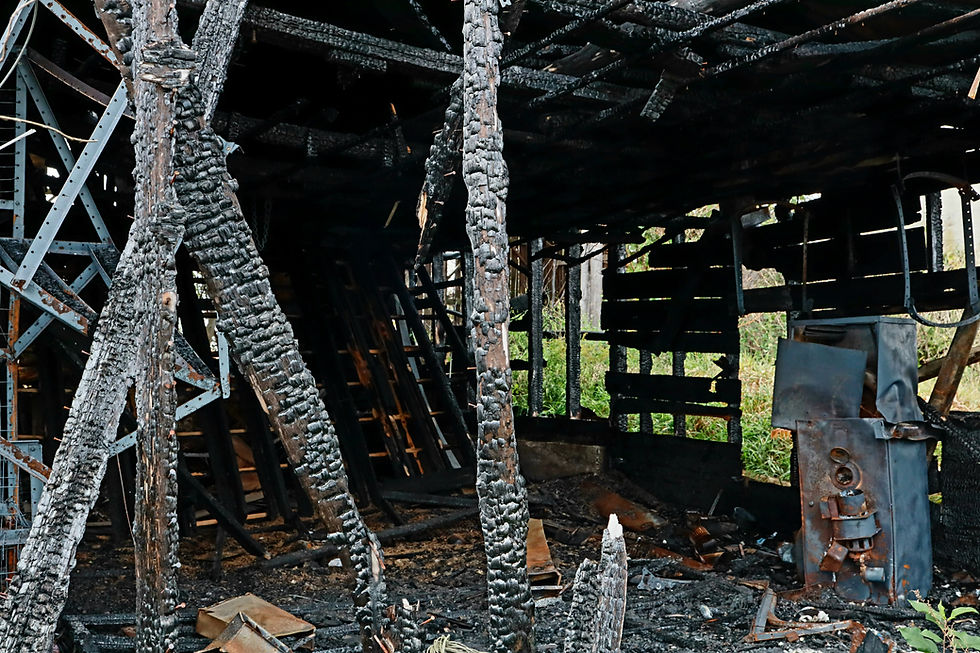
This is the more serious end of the spectrum. Examples could include:
major fire damage
flooding
serious storm events
landslip damage
severe structural failure
or council-issued red or yellow stickers
Under the standard agreement, if the property becomes genuinely untenantable before settlement, the purchaser may have significant rights available to them. Depending on the circumstances, this can potentially include:
proceeding with settlement
negotiating outcomes relating to repairs or insurance
or cancelling the agreement and recovering the deposit
But importantly, these situations can become legally complex very quickly. The extent of the damage, the ability to occupy the property, insurance assessments, and contractual interpretation can all influence the outcome. This is absolutely an area where buyers and vendors should rely on legal advice specific to their situation.
7. One thing buyers often overlook: accommodation costs
This catches people out. Even when damage is technically “repairable,” the property may still not be realistically liveable during repairs. For example:
flooring replacement
flood remediation
smoke damage
mould treatment
or significant repainting
can sometimes make immediate occupancy difficult.
That’s why buyers should think beyond:
“Can this be repaired?”
and also ask:
“Can we actually live here while it’s being repaired?”
Because temporary accommodation, storage, delays, and disruption can become part of the real-world impact.
8. The pre-settlement inspection matters more than people think
A lot of buyers treat the pre-settlement inspection as a quick walkthrough. But it’s actually one of the most important stages of the transaction. This is your opportunity to check:
new damage hasn’t occurred
agreed repairs were completed
appliances still work
chattels remain
and the property is in the agreed condition
And importantly, if issues are discovered, they should usually be raised before settlement occurs.
Once settlement happens, leverage changes dramatically.
9. Insurance is really about risk transfer
At its core, insurance during a property transaction is about one thing:
Who carries the risk at each stage of the process?
And in NZ property transactions, the answer changes depending on:
whether the agreement is conditional
whether settlement has occurred
the extent of any damage
and the wording of the agreement itself
That’s why:
buyers should arrange insurance early
vendors should keep cover active until settlement
and lawyers become incredibly important if something goes wrong

Final thought
Most property transactions settle without any major issues. But when damage happens between unconditional date and settlement day, things can become stressful very quickly. The key thing buyers should understand is this:
Settlement is not just a date, it’s the moment responsibility officially changes hands.
Until then:
the vendor still carries obligations
insurance still matters enormously
and the condition of the property still matters legally
Which is why good lawyers, good communication, and a proper pre-settlement inspection are all incredibly important parts of buying a home in New Zealand.


Comments